The short answer

I feel D-mannose has helped me with UTIs, and that is why I’m sharing my experience. If you have symptoms now, seek medical advice: pain relief and infection treatment are different, and D-mannose is not a proven substitute for either.

Why D-mannose earned a spot in my wellness cabinet

When you are looking for relief from UTI symptoms, you want something that helps you get back to your day. D-mannose has felt helpful to me, and that is why it earned a place in my wellness cabinet.

That is the personal side of this article. I like sharing things that have made a difference for me, and I also want you to have the information you need to decide what to discuss with your clinician.

I also want to be clear about what I can say: my experience does not establish that D-mannose caused the improvement, cleared an infection, or would work the same way for someone else. The research below helps put that personal experience in context.

Need UTI relief fast? Start here

For fast UTI relief, contact a health professional about both symptom relief and treatment of the cause. D-mannose is not an established fast-acting pain reliever. Do not wait for a supplement to work before seeking care.

Relief for UTI symptoms is different from clearing a bacterial infection. A clinician may recommend pain medicine alongside antibiotics when needed. NIDDK explains bladder-infection treatment and pain relief.

UTI relief pills: what do they actually do?

Some urinary pain relief pills contain phenazopyridine, which can ease burning and discomfort but does not cure an infection. Ask a clinician or pharmacist whether it is appropriate for you, especially with kidney disease or pregnancy; follow the product’s directions. It can turn urine orange-red and interfere with some urine tests, so tell your care team if you take it. MedlinePlus explains phenazopyridine.

Is instant or quick UTI relief realistic?

No supplement can promise instant UTI relief. UTI pain relief may ease symptoms before the underlying problem is resolved. Even if you feel better, follow your prescribed treatment plan. Fever, chills, vomiting, or back or side pain need prompt medical care.

What is D-mannose supposed to do?

D-mannose is a simple sugar sold as a supplement, often in powder or capsule form. The idea is that it may keep certain bacteria, especially E. coli, from sticking to the lining of the urinary tract.

That explanation sounds promising. But a plausible explanation is only a starting point: researchers still need to show that people taking the supplement actually have fewer infections. Cochrane explains the proposed mechanism and reviews the earlier evidence.

A urinary tract infection, or UTI, can affect different parts of the urinary system. A bladder infection is one common type. Preventing the next infection and treating an infection you already have are separate questions.

What did the 2024 D-mannose trial find?

Daily D-mannose did not significantly reduce repeat, medically attended suspected UTIs compared with placebo. The 2024 randomized trial in JAMA Internal Medicine, available through PubMed, helps separate personal experience from evidence about prevention.

Here are the details that matter:

  • Who: 598 adult women with recurrent UTIs, recruited through UK primary care practices.
  • What: 2 grams of D-mannose powder daily or a placebo powder, taken for six months.
  • D-mannose group: 51.0% had another suspected UTI that led them to contact medical care.
  • Placebo group: 55.7% had one.
  • Result: The difference was not statistically significant.

In everyday terms, about half of each group sought care for another suspected infection. The slightly lower percentage with D-mannose is not enough to establish that the supplement helped; the result could reflect chance.

The researchers concluded that D-mannose should not be recommended for prevention in this patient group. The study tested a specific daily regimen in adult women with recurrent UTIs. It does not establish that every possible use has been disproved, but it does undermine treating D-mannose as proven prevention.

Why did older advice sound more positive?

Earlier studies gave people a reason to be hopeful. A smaller trial published in 2014 enrolled 308 women and reported fewer repeat UTIs with D-mannose than with no preventive treatment. However, it did not use a matched placebo comparison.

That matters because expectations and differences between groups can affect a study. The 2024 trial used a placebo and kept both participants and researchers unaware of who received which powder. That makes it a stronger test of whether the supplement itself helped.

Even before the newer trial, a 2022 Cochrane systematic review—a review of available studies—found too little reliable evidence to establish whether D-mannose prevents or treats UTIs.

Then the 2025 American Urological Association guideline update added advice to tell patients that D-mannose alone may not be effective for prevention.

The earlier enthusiasm was understandable. The lesson is to give larger, better-controlled research more weight than a promising theory, a small study, or my own experience.

Can D-mannose treat an active UTI?

No—D-mannose should not be relied on to treat an active UTI. The prevention trial was not a treatment study, and the earlier review did not establish a treatment benefit.

If you think you have a bladder infection, contact a health professional. They can assess your symptoms, decide whether testing is needed, and recommend treatment. Do not wait to see whether a supplement works or use it in place of prescribed care.

When should you seek medical care?

Contact a health professional for possible bladder-infection symptoms, including:

  • Burning when you urinate.
  • Frequent or urgent trips to the bathroom.
  • Discomfort in your lower abdomen.
  • Cloudy or bloody urine.

Seek prompt medical care for fever, chills, vomiting, or pain in your back or side. These can be signs of a kidney infection. They deserve attention even if you have already started taking a supplement. NIDDK explains bladder-infection symptoms and when to seek care.

How I think about D-mannose now

I can share that D-mannose has felt helpful to me while acknowledging that the stronger prevention research did not show a significant benefit. Those are different kinds of information, and both belong in an honest account.

If UTIs keep returning, discuss your symptoms and supplements with your clinician. Ask whether the episodes are confirmed infections, which prevention options fit your history, and what to do when symptoms return.

Why I still want to share my experience

My experience with D-mannose has been positive, but it is not proof of reliable prevention or treatment. If you need relief now, getting advice about the cause and appropriate symptom care is more useful than relying on a promise of instant results. Share what you take with your clinician, including supplements.

About this article: I’m Katie, the writer behind Everyday Edited. This is consumer information informed by the research linked here, not a medical review or personalized medical advice. You can read more about Everyday Edited and our medical disclaimer.

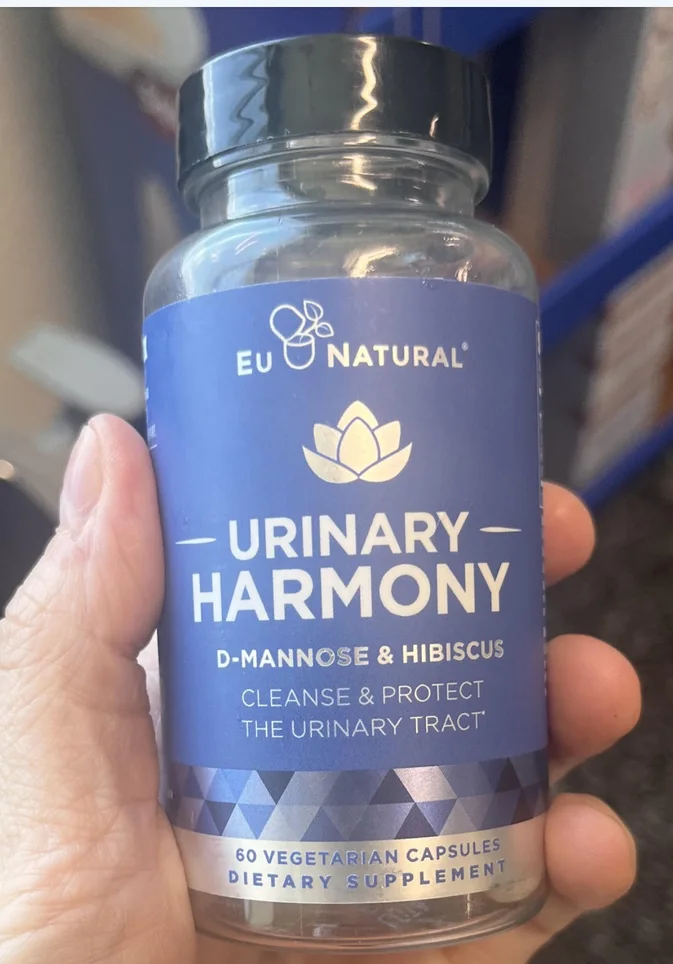
A hand holding a bottle of EU Natural Urinary Harmony labeled D-mannose and hibiscus
Read the whole label: this bottle combines D-mannose and hibiscus. A blend is different from the D-mannose powder tested in the 2024 trial.

Best for

Readers who want a personal D-mannose experience alongside the evidence, with a clear distinction between symptom relief and infection treatment.

Skip if

You need an immediate treatment plan. Contact a health professional for current UTI symptoms; fever, chills, vomiting, or back or side pain need prompt care.

Frequently asked questions

Can D-mannose provide fast UTI relief?

D-mannose is not an established fast-acting pain reliever or treatment for infection. My positive experience cannot predict how it will work for someone else. Ask a health professional about symptom relief and treatment if you have a possible UTI.

Is D-mannose an antibiotic?

No. D-mannose is a sugar supplement, not an antibiotic. Its proposed effect on bacterial sticking does not make it a substitute for infection treatment.

Is D-mannose safe to take every day?

Safety and effectiveness are different questions. Earlier studies reported side effects such as diarrhea, but safety reporting was limited. The Cochrane review does not establish that daily use is suitable for everyone. Discuss supplements with your clinician, especially if you are pregnant or have other health conditions.

Does the 2-gram study dose mean I should take that amount?

No. Two grams daily describes what researchers tested; it is not a recommended dose. That regimen did not show a significant prevention benefit.

Sources