
Yes, brain helmets are a thing. And once the price reaches several thousand dollars, I have questions that a glowing testimonial cannot answer.
Here’s the research worth knowing before you consider one.
Otto would like to see the research on earlier dinner times.
What is brain light therapy?
The research name is transcranial photobiomodulation, or tPBM: light delivered through the scalp toward the brain. Many systems use near-infrared light, which is invisible to our eyes. Researchers are exploring whether it can influence brain-cell energy use and blood flow. Research overview
That does not make a skincare mask or hair-growth cap interchangeable with a device studied for cognition. The light, dose and placement matter.
Memory and attention: promising, with limits
A 2025 review of 24 randomized trials involving 820 people found improvements in some measures of cognition, including working memory—the information you briefly hold in mind. Results differed between people with cognitive impairment and healthy participants. Read the review
That is a reason to keep studying the technology. It does not tell us that any helmet you buy will make you noticeably sharper, or that benefits will last. Studies use different devices and treatment schedules, making sweeping promises hard to justify.
Alzheimer’s research: a result worth watching
In a 2026 trial with 80 people who had mild cognitive impairment due to Alzheimer’s disease, participants used an 808-nm device for 12 weeks. Average scores on a cognitive screening test rose about 3.9 points in the treatment group and fell about 0.7 points in the placebo group. Read the trial
Encouraging? Yes. Proof that a healthy person can prevent dementia by buying a helmet? No. That would require different research and much longer follow-up.
Two devices you’ll encounter
These are examples to compare, not hands-on reviews or recommendations to treat a medical condition. Manufacturer specifications do not establish clinical benefits.
Vielight Neuro Duo 4
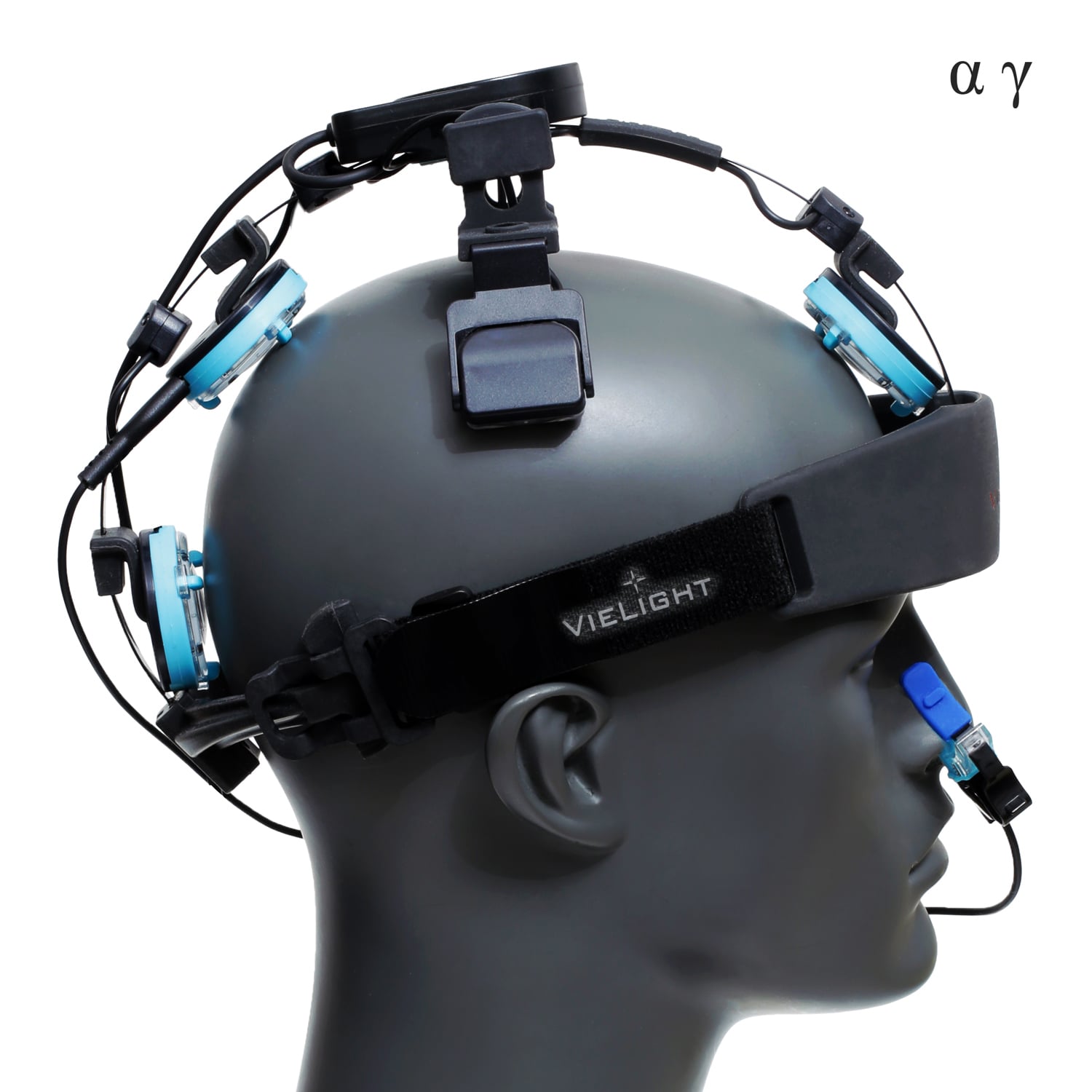
An 810-nm headset with a nasal applicator, offering 10-Hz and 40-Hz pulsing modes. Its targeted modules look quite different from a full helmet.
Listed price: US$2,399. See the Neuro Duo 4 and specifications.
Neuronic Neuradiant 1070
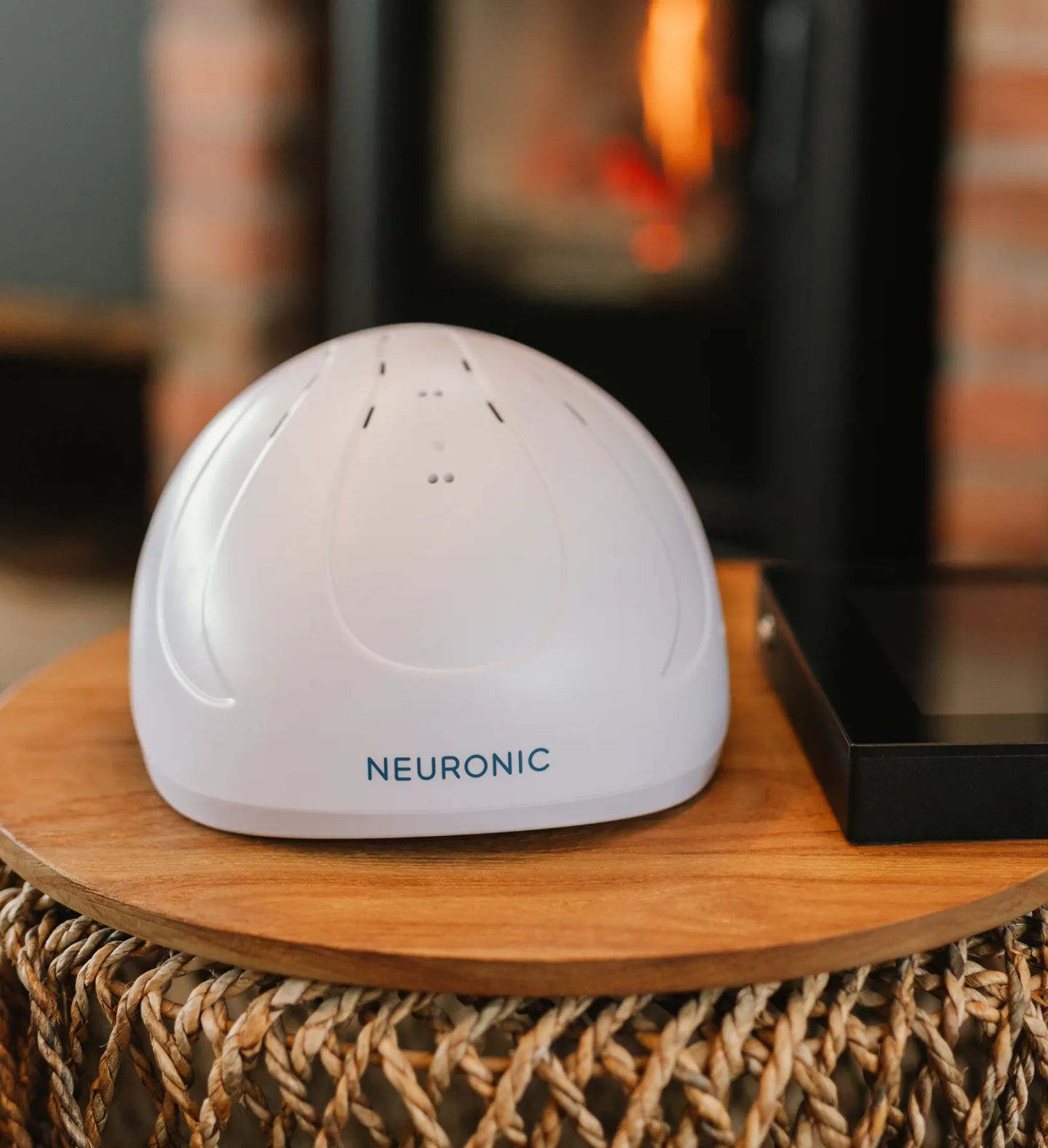
A 1070-nm helmet with 256 LEDs, a touchscreen controller and settings for four regions. More customization gives you more choices; it does not establish better results.
Listed price: US$3,395 before sales tax. See the Neuradiant 1070 and specifications.
Prices checked September 12, 2026; prices and availability can change. These are direct manufacturer links.
Before spending the money
Ask for research on the exact device and the benefit you want, plus clear instructions, safety information and return terms. A shared wavelength or “40 Hz” label does not make two devices equivalent.
The 80-person trial reported no device-related adverse events, but that cannot establish long-term safety for every consumer device. Discuss brain-directed light therapy with your clinician, especially if you have a neurological condition, seizures or take light-sensitive medications. Follow the device’s eye-safety instructions. Trial safety findings, manufacturer safety information.
My take: Interesting enough to follow. Too uncertain to call a must-have. At these prices, I would want a clear reason to try it—and realistic expectations about what it might do.
For education only; not medical advice. Do not replace prescribed care with a light-therapy device.