The short answer
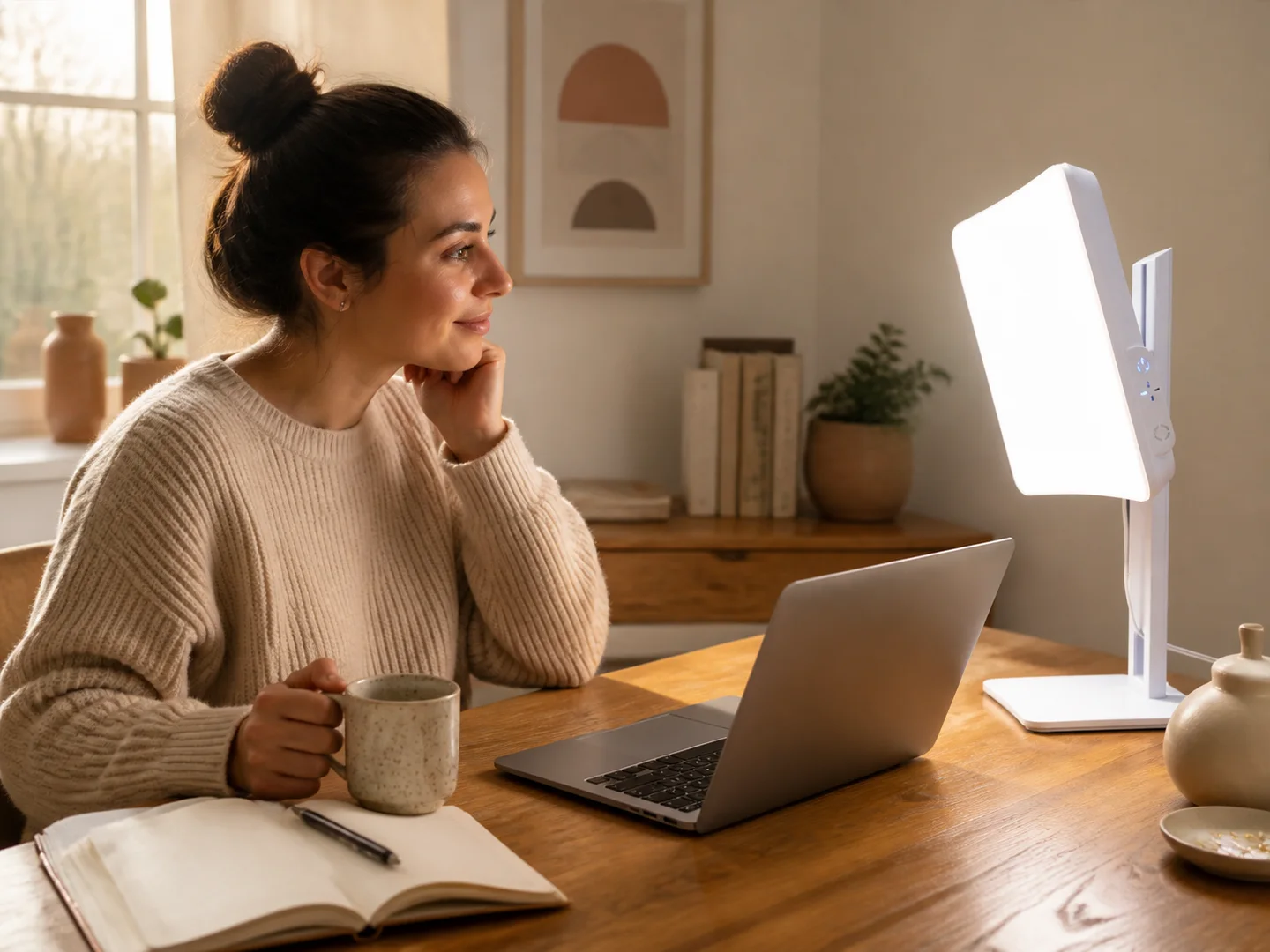
Choose a light therapy lamp by the setup you will actually use. Carex Day-Light Elite offers the most positioning and timer control; Lampu is the compact round option; Lattis has the most decor-friendly silhouette; and Langham pairs a slim tower shape with a larger panel.
A light therapy lamp is easiest to compare when you ignore the marketing language and start with the setup: where will it sit, how close will you be, and which controls will make it easy to use consistently?
The four options at a glance
- Carex Day-Light Elite: adjustable height and angle, four light levels, and a built-in timer
- Circadian Optics Lampu: a compact, rounded desk-lamp shape
- Circadian Optics Lattis: an Art Deco-inspired frame that looks more like decor
- Circadian Optics Langham: a slim vertical footprint with a larger 6-by-17-inch panel
Carex Day-Light Elite
The Carex is the most adjustable of these four. Its height and angle can change, and the four brightness levels plus built-in timer make it easier to tailor a repeatable morning setup. The tradeoff is a larger visual presence than the smallest desk options.
Best for: someone who values positioning and timer controls.
Circadian Optics Lampu
Lampu is the compact pick. The rounded white shape takes up less visual space on a desk and feels less clinical than a large rectangular panel. Its strength is straightforward placement rather than a long list of controls.
Best for: a smaller desk, nightstand, or home office.
Circadian Optics Lattis
Lattis uses an open geometric frame with an Art Deco influence. It is the design-forward option for someone who wants the lamp to blend into a room instead of looking like equipment.
Best for: a visible workspace where appearance matters.
Circadian Optics Langham
Langham uses a slim tower shape and a 6-by-17-inch panel. That combination gives it more illuminated surface without demanding a wide footprint, while a smooth dial handles brightness adjustment.
Best for: someone who wants a larger panel in a narrow vertical shape.
A quick safety note
Bright-light therapy is used in clinical care for winter-pattern seasonal affective disorder, but this shopping comparison is not a diagnosis or treatment plan. The National Institute of Mental Health advises talking with a healthcare provider about benefits and risks. People with certain eye diseases or who take medications that increase light sensitivity may need medical supervision or another approach. Follow the current directions for the exact lamp you own.
The bottom line
Choose Carex when adjustability and a timer matter most. Choose Lampu for the smallest, simplest desk setup. Choose Lattis when you want a lamp that reads more like decor. Choose Langham when a larger panel and narrow footprint are the priority.
Source
- National Institute of Mental Health: Seasonal Affective Disorder
What actually helps
- Measure the surface where the lamp will sit
- Check the recommended distance and current maker directions
- Choose controls that fit the routine you will actually follow
- Review eye-condition and medication guidance before use
Best for
Anyone comparing bright-light lamps by practical design and setup details.
Skip if
You want individualized advice about mood symptoms, treatment timing, an eye condition, or a light-sensitive medication.
Products worth considering
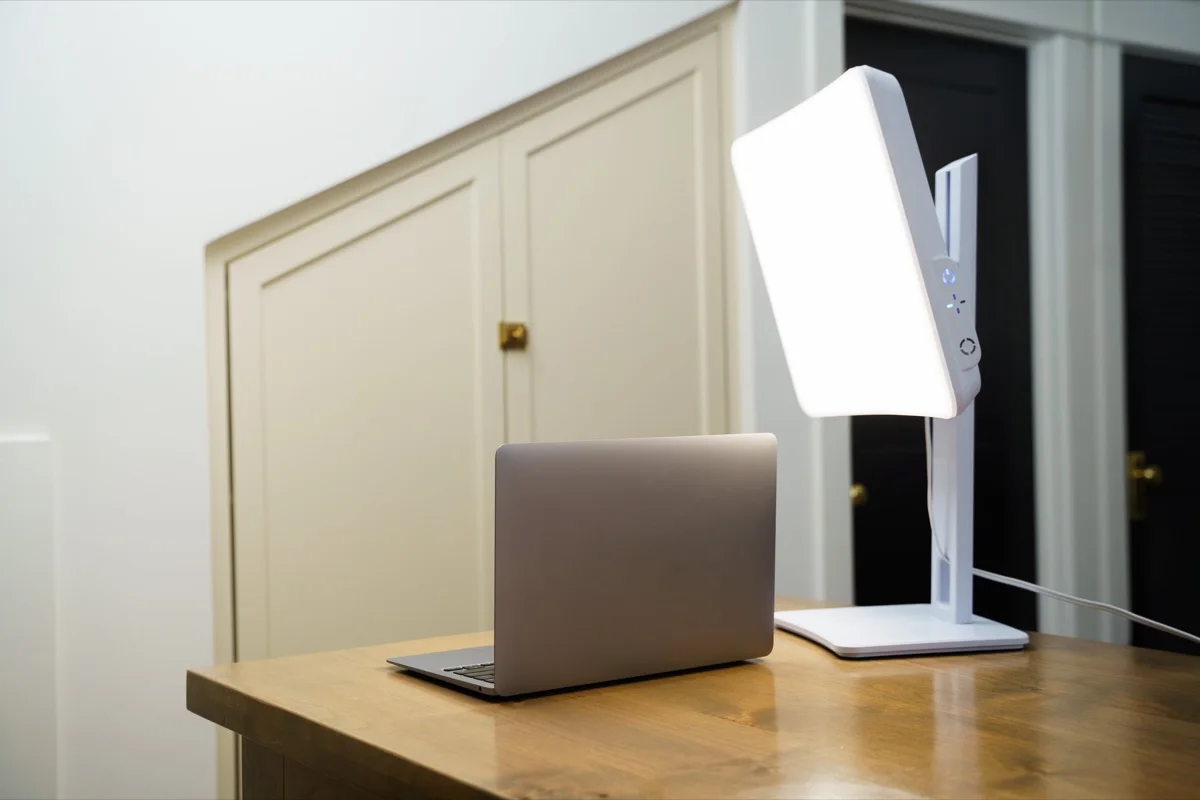
Carex
Day-Light Elite Light Therapy Lamp
Adjustable height, four light levels, and a built-in timer make morning setup simple.
View on Amazon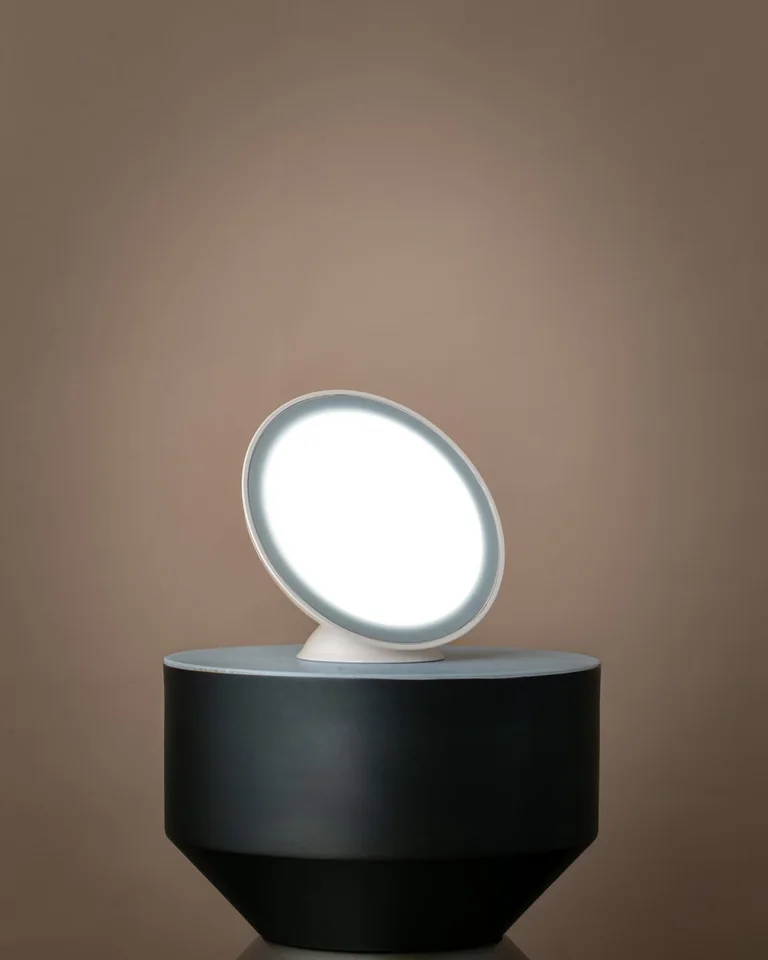
Circadian Optics
Lampu Bright Light Therapy Desk Lamp
Its rounded shape looks polished on a desk while delivering UV-free 10,000-lux light.
View on Amazon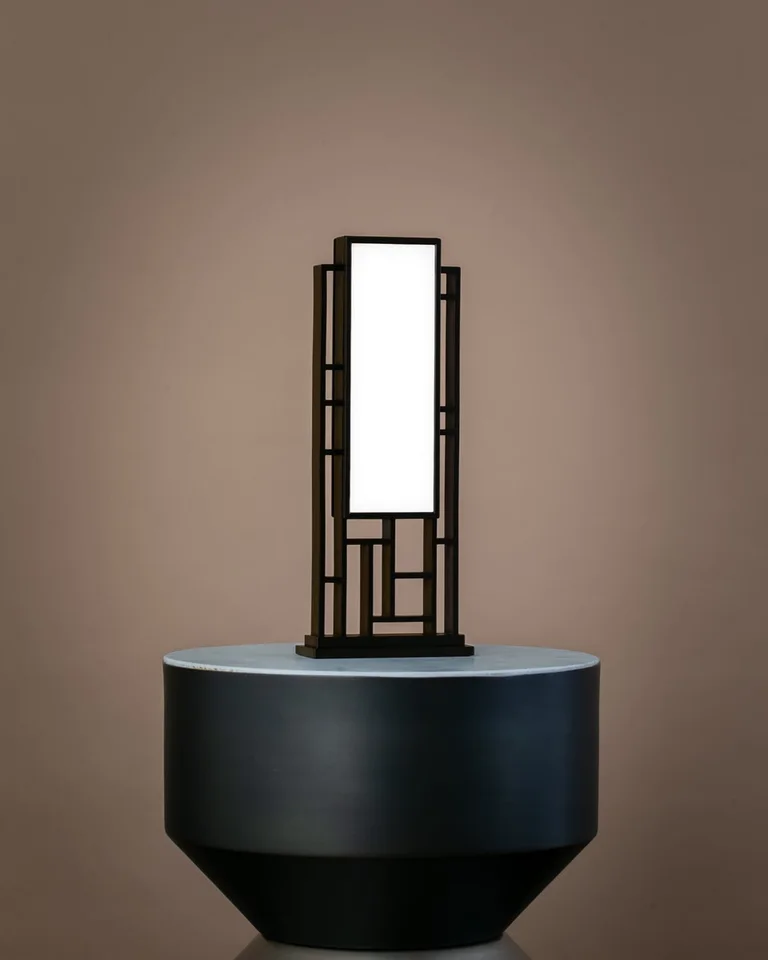
Circadian Optics
Lattis Bright Light Therapy Desk Lamp
The Art Deco-inspired frame feels more like decor than equipment, with UV-free 10,000-lux light.
View on Amazon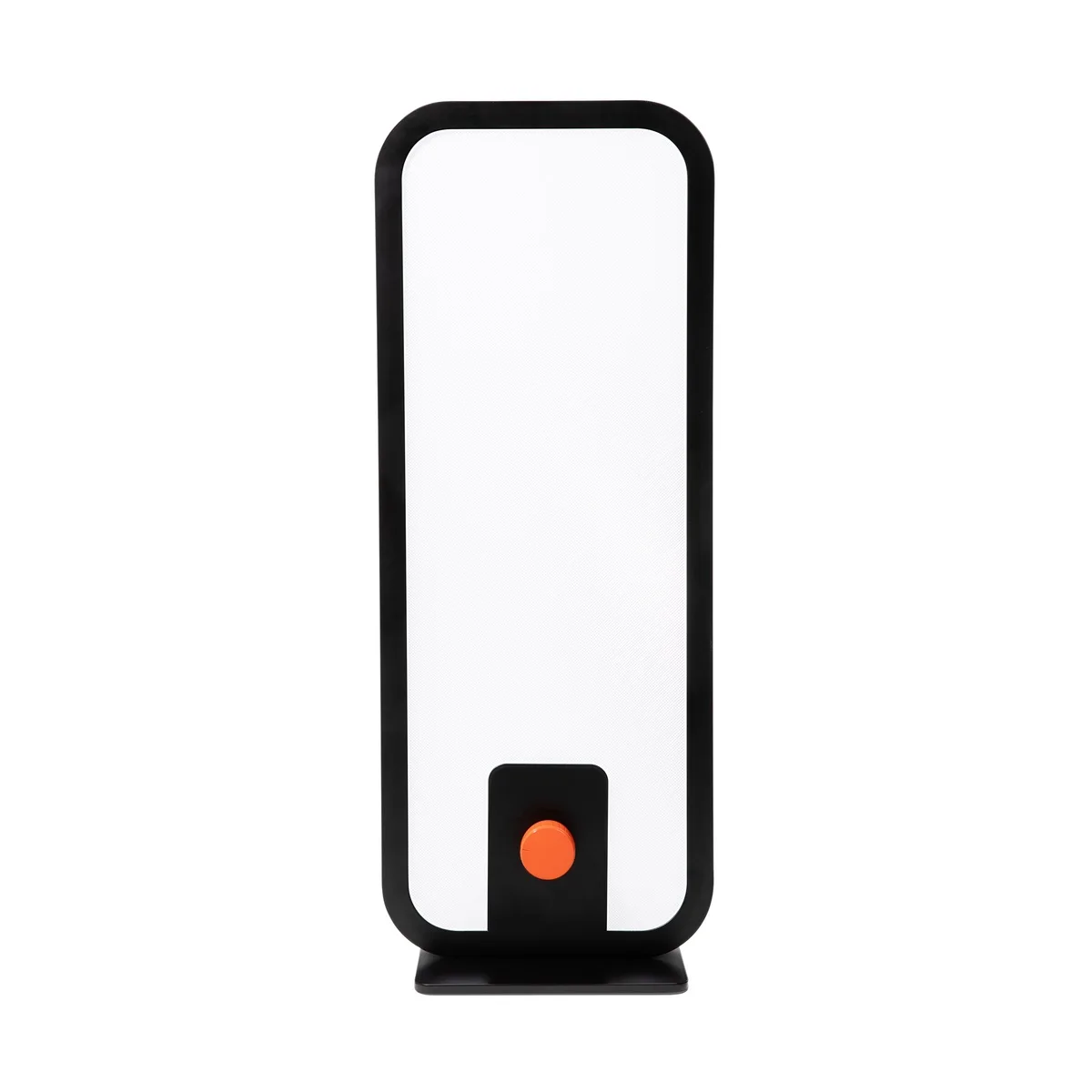
Circadian Optics
Langham Clinical Light Therapy Lamp
The slim tower pairs a generous 6-by-17-inch panel with a smooth brightness dial.
View on AmazonFAQ
Which light therapy lamp is the most adjustable?
The Carex Day-Light Elite has adjustable height and angle, four light levels, and a built-in timer.
Which option has the smallest desk-friendly shape?
Circadian Optics Lampu is the compact rounded option in this four-lamp comparison.
Who should ask a healthcare professional before using a light therapy lamp?
NIMH notes that people with certain eye diseases or medications that increase sensitivity to sunlight may need an alternative or medical supervision.
Sources
- National Institute of Mental Health: Seasonal Affective Disorder — https://www.nimh.nih.gov/health/publications/seasonal-affective-disorder
Related reads
Omnilux LED Devices: Which One Is Right for You?
Compare Contour Face, Clear, Men, the neck and glove devices, and three targeted Minis without sorting through the entire product line yourself.
Read article →One Thing Before You Go
Science fact
A Light Box Is Far Brighter Than an Ordinary Room
The National Institute of Mental Health describes the 10,000-lux light boxes used in bright-light therapy as roughly 20 times brighter than ordinary indoor light. Lux measures how much light reaches a surface, so distance and position matter: a lamp's headline brightness does not mean every spot in the room receives that amount.
That is why the maker's specified distance belongs in any useful lamp comparison alongside panel size, controls, and footprint.
Why it’s fun to share: Ask everyone to guess how many times brighter a clinical bright-light box is than ordinary indoor lighting before revealing the estimate.