The short answer

Danhui Nai's paintings hang in my house—and her soft, layered florals and landscapes are the kind of art I still notice every day.

The artist hanging in my house

I didn't know her name at first—I only knew I kept choosing her work. Danhui Nai's paintings hang in my house, where her loose brushwork, warm neutrals, and small hits of color feel calm but never bland.

Raised in mainland China by artist parents, Nai later studied interior design, worked in textiles, and established her California studio.

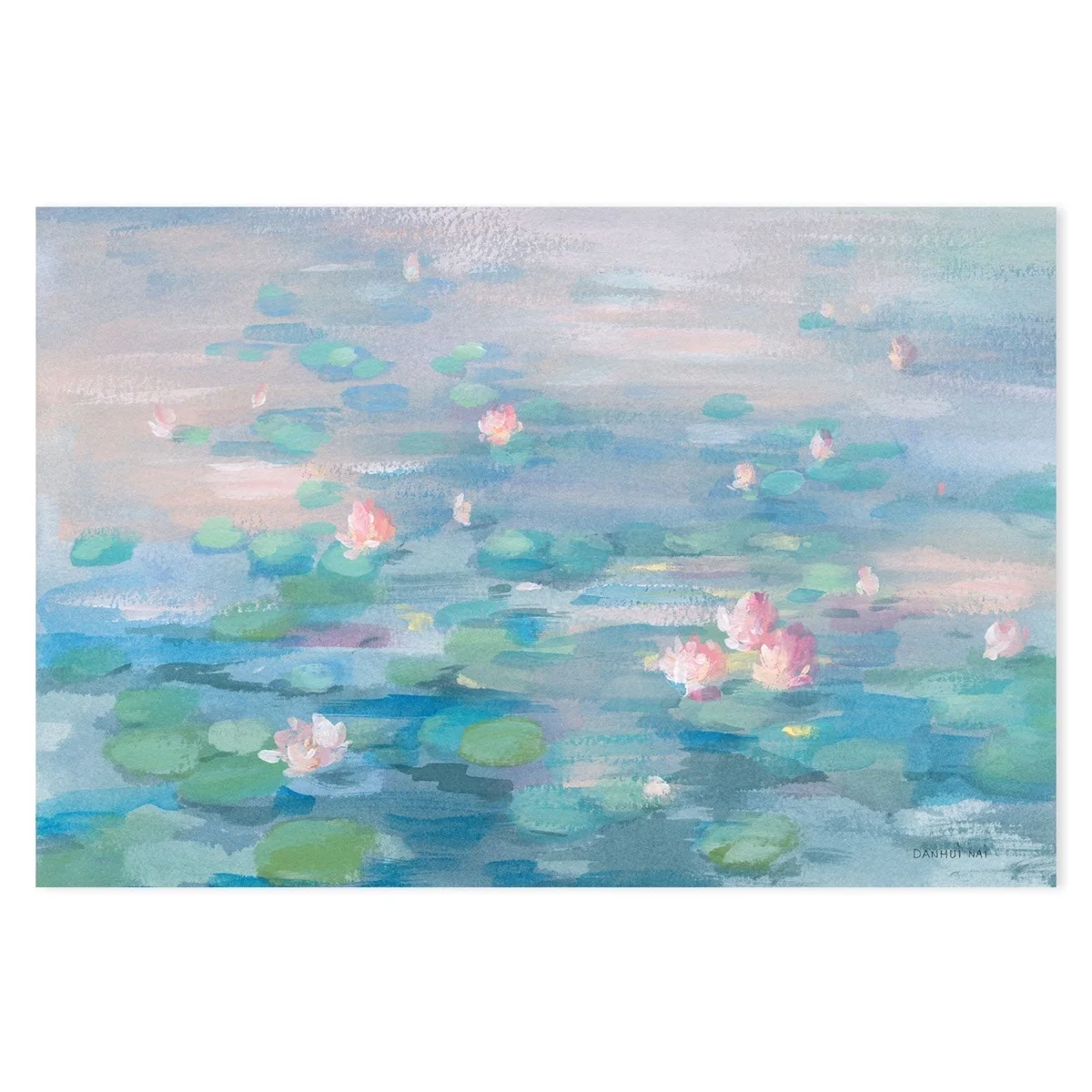
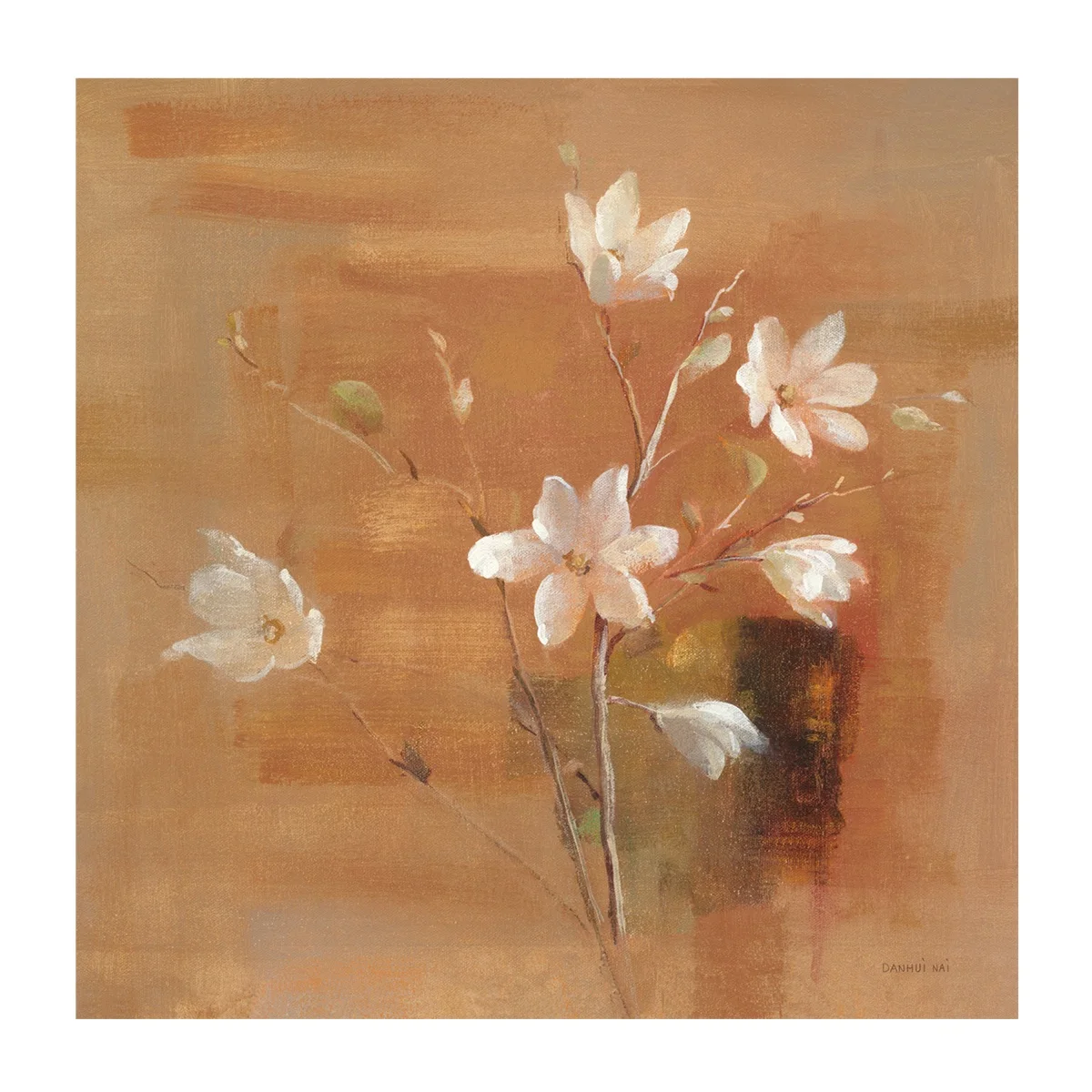
White Magnolia made me finally look up her name. I also love Landscape in Yellow Ochre, Sage Wisteria, and Sunrise Waterlilies. They're the kind of paintings I notice every time I walk past—the quiet finishing touch I want art at home to be.
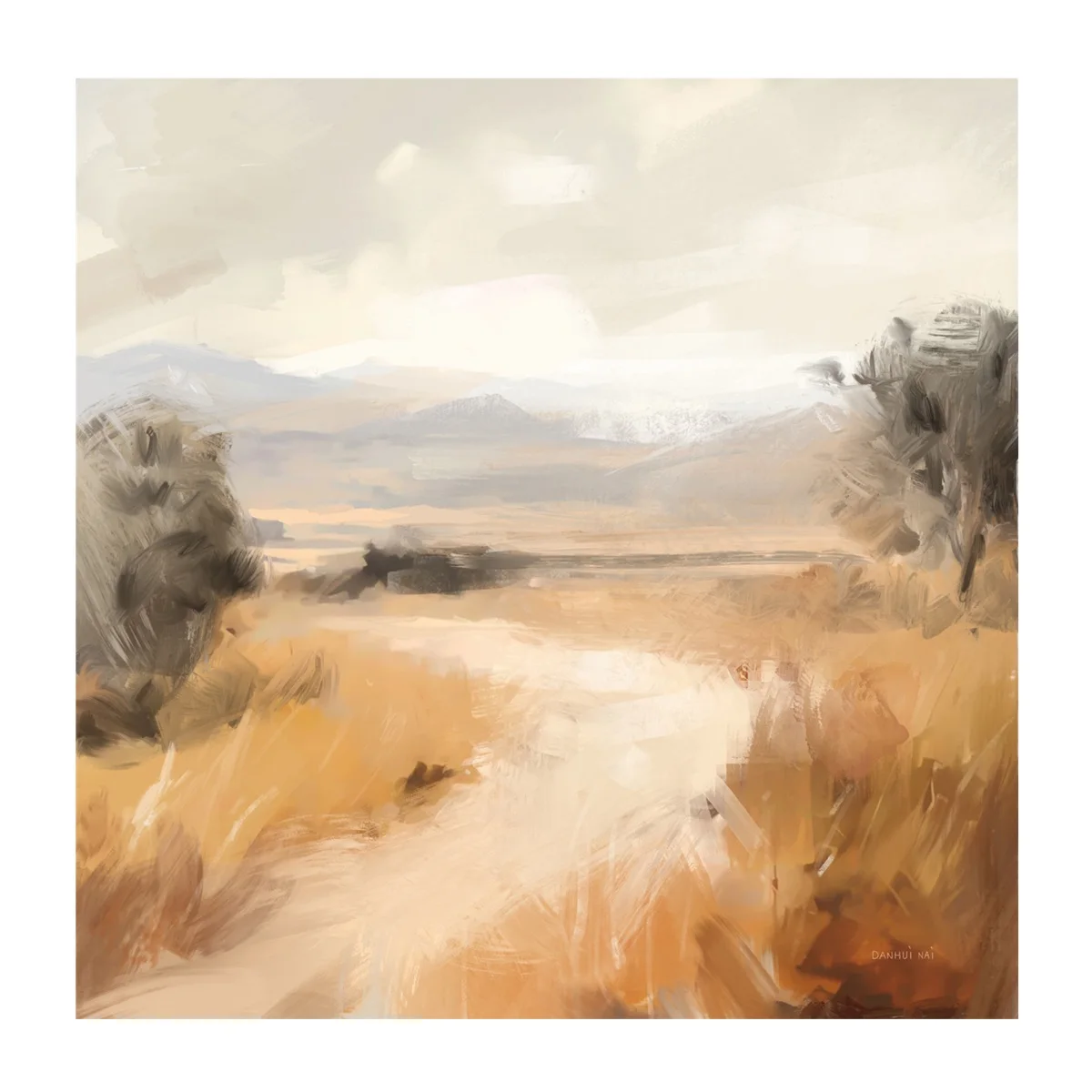
Landscape in Yellow Ochre by Danhui Nai, an abstract landscape in cream, ochre, charcoal, and soft grey
Landscape in Yellow Ochre by Danhui Nai. Artwork © Danhui Nai; image via Gioia Wall Art.
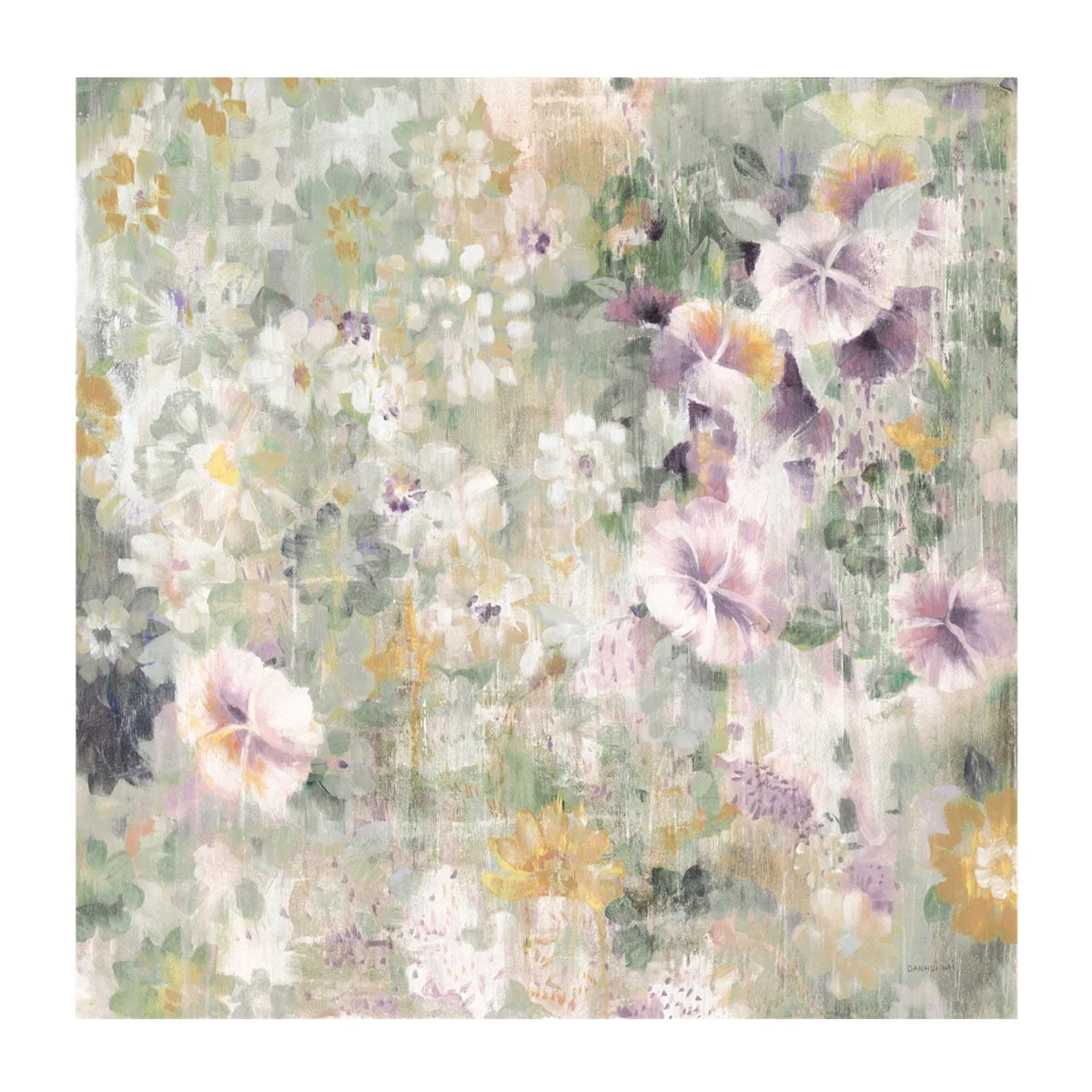
Sage Wisteria by Danhui Nai, a layered floral painting in sage green, cream, lavender, blush, and ochre
Sage Wisteria by Danhui Nai. Artwork © Danhui Nai; image via Gioia Wall Art.
Sunrise Waterlilies by Danhui Nai, with pink waterlilies floating across layers of blue, teal, and green
Sunrise Waterlilies by Danhui Nai. Artwork © Danhui Nai; image via Gioia Wall Art.

One Thing Before You Go

History fact

Her Path to Painting Ran Through Textile Design

Danhui Nai's route to painting passed through rooms and fabric. After four years studying interior design in China, she moved to New York, worked as a textile designer in Manhattan, and studied at the Fashion Institute of Technology at night. She later moved to California, where the scenery and flower garden outside her studio became recurring inspiration. That sequence helps explain something visible in her work: botanical subjects are painterly, but their color relationships and placement still feel considered for the spaces in which people live.

Why it’s fun to share: The next time you see a floral print, ask whether its balance owes as much to design training as to botanical observation.